Dark
Light
January 20, 2026

Cinematic Storytelling Revolutionizes Corporate Branding in 2026

In a world where audiences are bombarded by digital content, standing out is no longer just about what you say, but how you say it. Over the past year, cinematic storytelling has emerged as a powerful force in corporate branding—reshaping how companies communicate, engage, and build trust with their audiences.

The Rise of Cinematic Storytelling

According to HubSpot’s 2025 “State of Video Marketing” report, video content now accounts for over 82% of all consumer internet traffic. Yet, not all video is created equal. A growing body of research suggests that cinematic techniques—once reserved for Hollywood—are now driving higher engagement and recall in the business world.

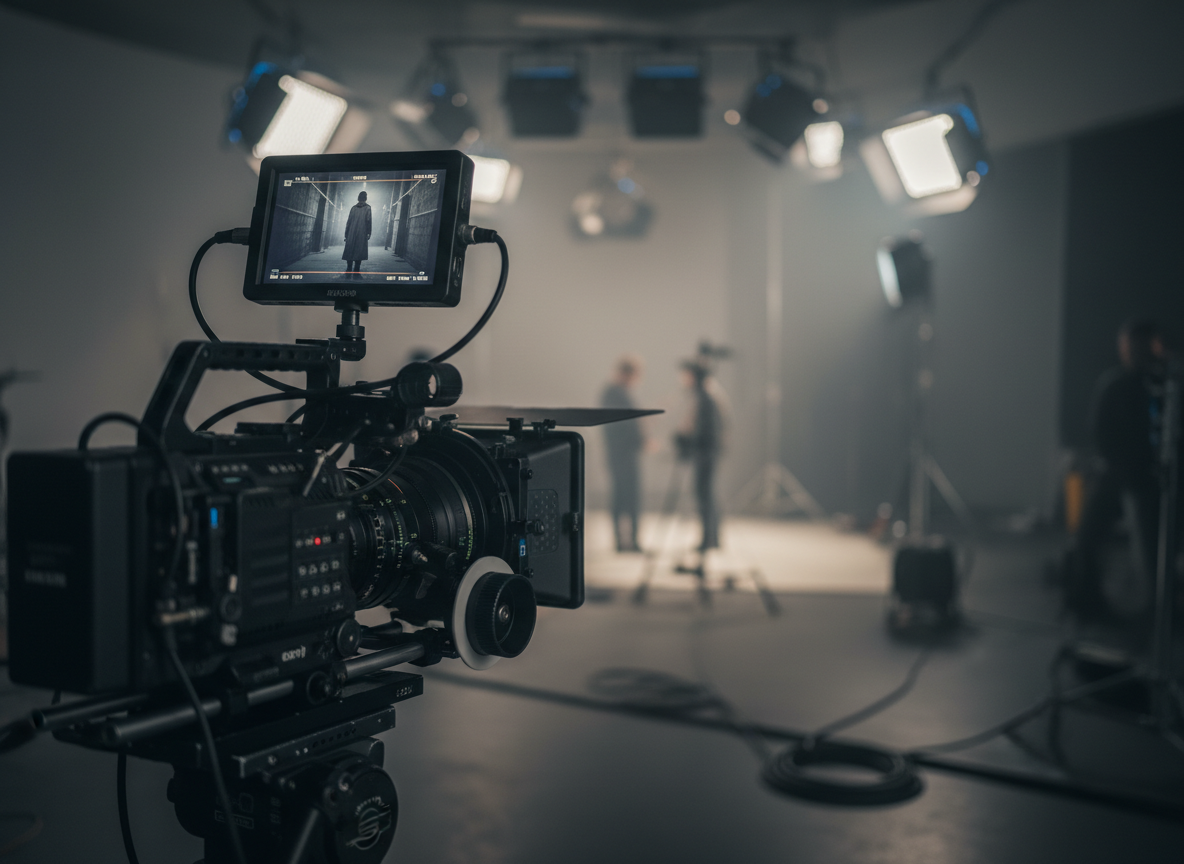
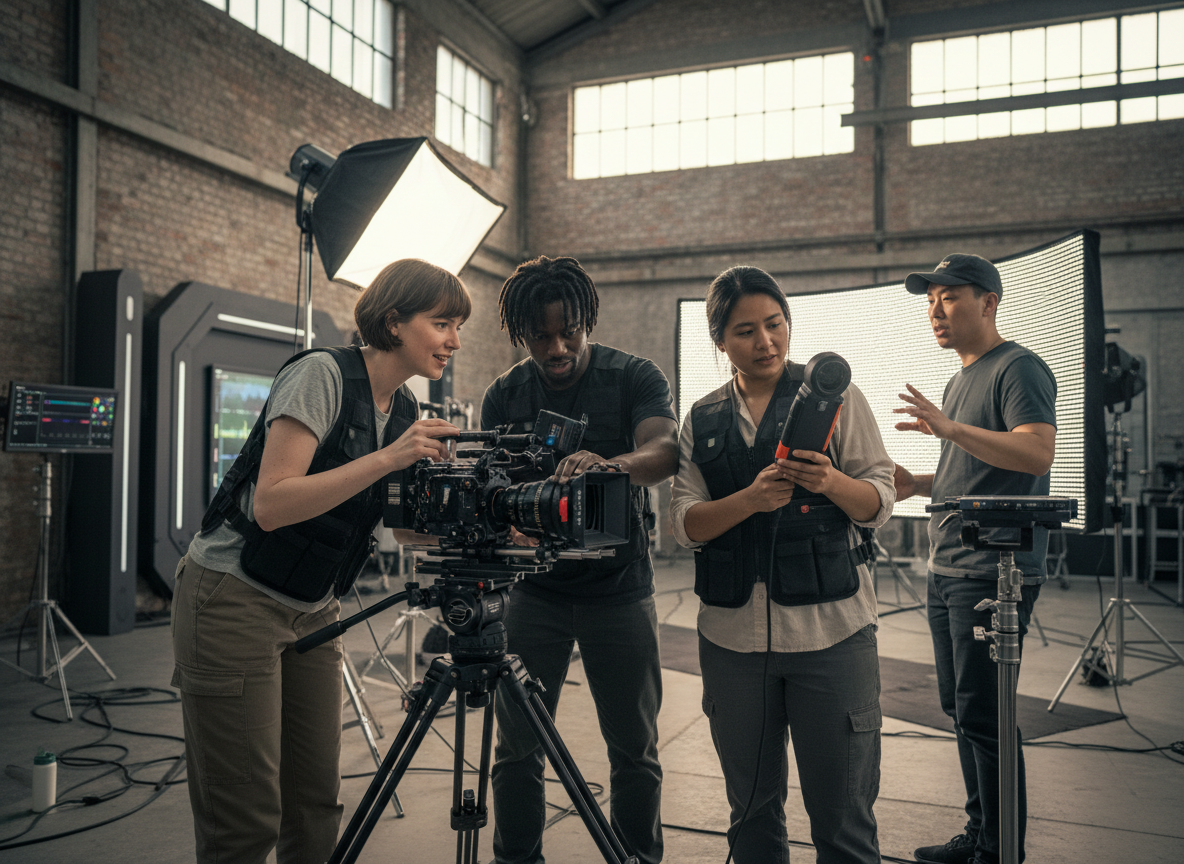
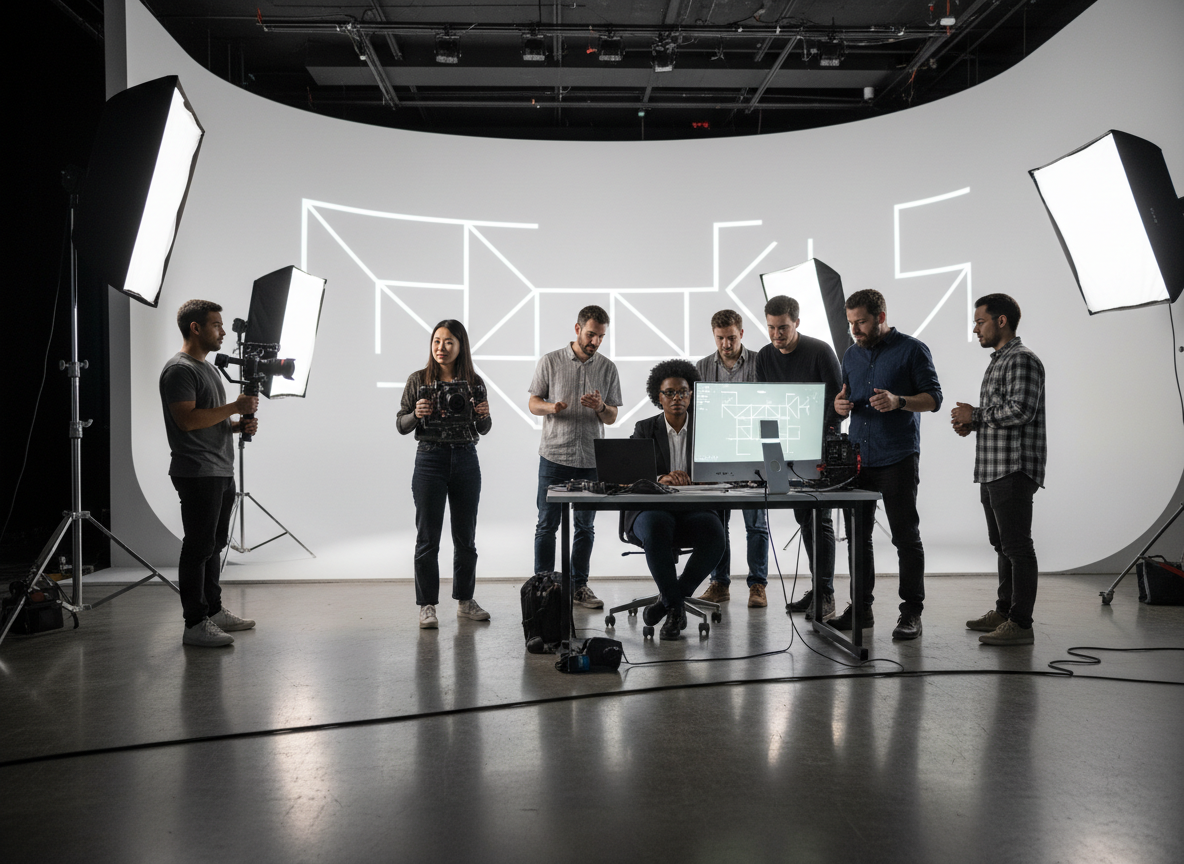
Media analyst Petra Novak explains, “Viewers have become highly selective. They’re drawn to content that feels authentic, visually rich, and emotionally resonant. Cinematic storytelling delivers on all three fronts.” This approach leverages advanced camera technology, creative lighting, and narrative-driven editing to transform standard corporate videos into compelling mini-films.

Authenticity and Visual Impact

Recent campaigns for luxury and beauty brands, such as Chanel’s “Inside the Atelier” and Guerlain’s “Legacy of Scent,” have set new benchmarks for the industry. These projects often use high-end equipment like the Sony FX6 and DJI Ronin 4D, enabling directors to capture dynamic movement and immersive detail.

A 2024 Nielsen study found that branded videos employing cinematic techniques saw a 37% increase in average view time and a 22% boost in brand recall compared to traditional corporate content. “It’s not just about looking good—it’s about making viewers feel something,” says Novak.

Why Storytelling Matters

The power of story is well-documented in psychology and marketing. According to a 2025 WARC survey of global marketing leaders, 68% reported that cinematic video campaigns led to higher customer loyalty and stronger emotional connections with their brand. “Stories engage the brain differently than facts alone,” says Dr. Martin Havel, a communications researcher at Charles University. “When viewers are emotionally invested, they’re more likely to remember the message and take action.”

Case Studies: Impact Across Sectors

Cinematic storytelling isn’t just for luxury brands. In the sports sector, the 2025 EuroBasket documentary campaign used a blend of documentary realism and cinematic flair to capture both the excitement of the game and the human stories behind the athletes. The result: a 40% increase in digital engagement and thousands of shares across social platforms, according to data from EuroBasket’s media team.

Even in B2B sectors, companies are adopting this approach to humanize their brand and differentiate themselves in saturated markets. “We’re seeing a shift from product-centric to people-centric storytelling,” says Novak. “It’s about showing, not just telling, what makes a company unique.”

The Technology Behind the Trend

The democratization of advanced camera gear has played a significant role in this shift. With tools like the Red Komodo, Sony FX6, and DJI Ronin 4D now accessible to production teams worldwide, the barrier to cinematic quality has never been lower. This technological leap allows for greater creativity, flexibility, and speed—critical factors in today’s fast-paced content landscape.

Looking Ahead

As the demand for visual-first content continues to rise, industry insiders predict that cinematic storytelling will become the new baseline for effective corporate communication. “It’s about creating memorable experiences, not just delivering information,” says Novak. “Brands that embrace this mindset will set themselves apart in 2026 and beyond.”