As the demand for international content skyrockets, production teams fluent in multiple languages and cultures are emerging as the industry’s new power players. In 2025, the European Audiovisual Observatory reported a 39% increase in cross-border media projects, a trend attributed largely to the rise of multilingual, multicultural crews.
“Production is no longer a local affair,” says Dr. Helena Rossi, professor of Media Studies at the University of Milan. “Today’s audiences are global, and so are the stories that resonate with them. Teams that can bridge linguistic and cultural divides are uniquely positioned to create content that connects.”
The shift is evident in the growing number of international documentaries, event coverages, and branded campaigns designed to appeal to diverse markets. According to a recent Statista survey, 62% of content producers now employ at least one team member fluent in three or more languages.
Bridging Borders on Set
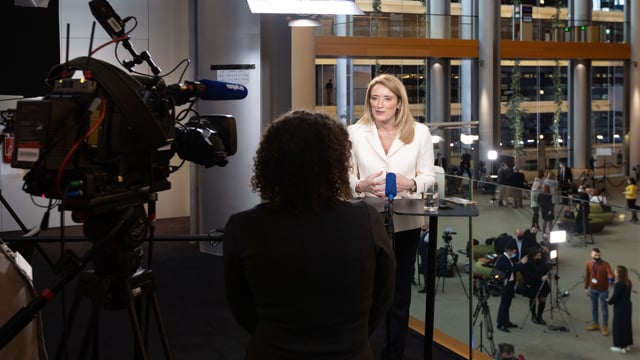
On a typical international shoot, it’s not uncommon to hear six or more languages spoken among crew members. “It’s about more than just translation,” explains Rossi. “It’s about cultural fluency—understanding local customs, humor, and sensitivities, which is essential for authentic storytelling.”
Multilingual teams also enable smoother logistics, from location scouting and permitting to on-the-ground interviews and client communications. “Having native speakers on set builds trust with local talent and stakeholders,” says Rossi. “It’s a competitive advantage that’s hard to replicate.”
Case in Point: The Global Documentary Boom
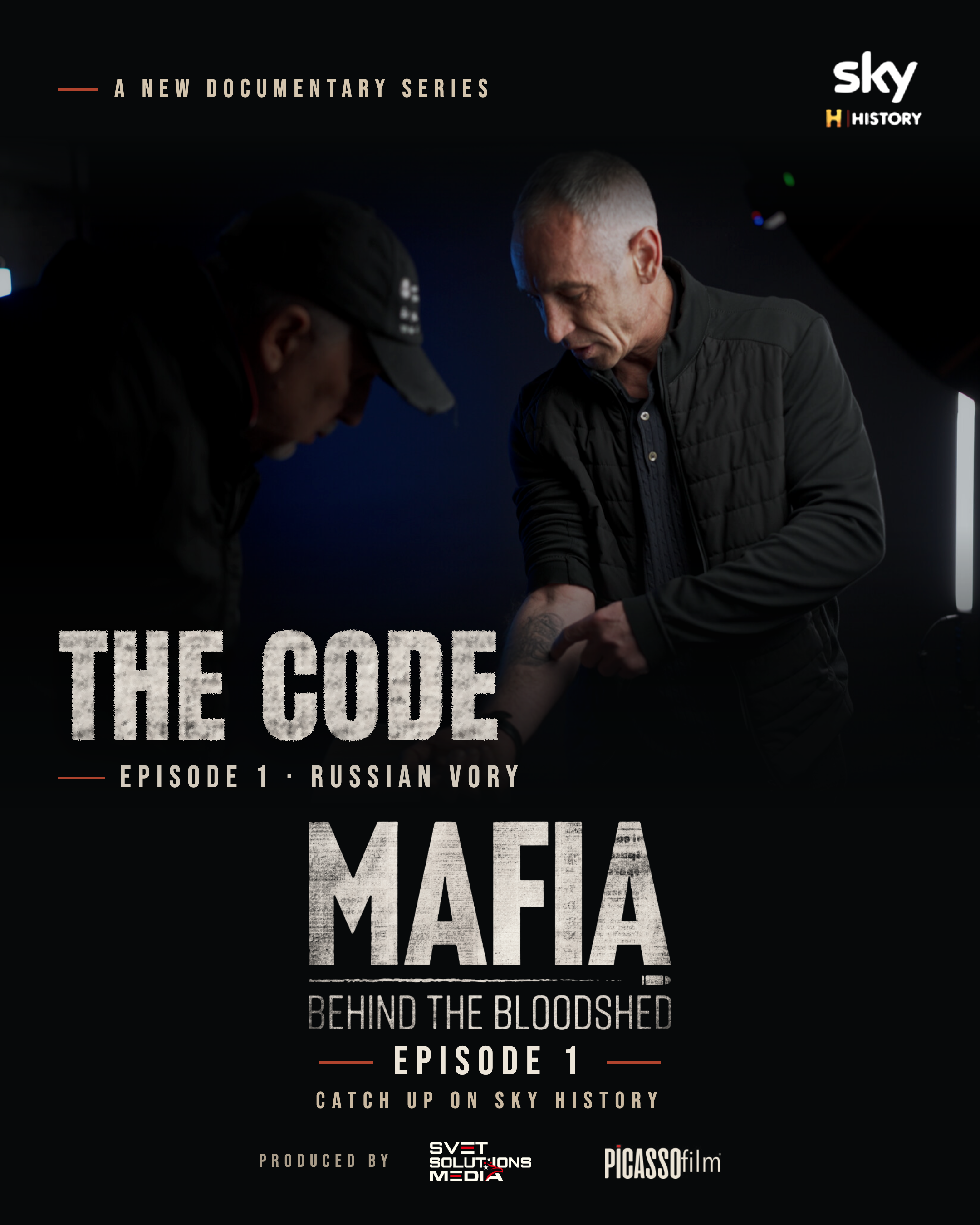
The past year has seen a surge in documentaries produced across borders, often featuring stories that span continents. The International Documentary Association notes that films shot with multicultural crews are 27% more likely to be selected for international festivals—a testament to the value of diverse perspectives.
A 2025 report by the European Broadcasting Union found that multilingual productions are also more likely to secure distribution deals in non-English-speaking markets, broadening both reach and revenue potential.
Overcoming Challenges
Of course, managing a multilingual team brings its own set of challenges. Communication breakdowns, cultural misunderstandings, and logistical complexities can arise. Still, production companies are increasingly investing in cross-cultural training and hiring practices to ensure seamless collaboration.
“Diversity is an asset, but it requires intentional management,” says Dr. Rossi. “The most successful teams are those that foster open communication and mutual respect.”
The Future: Multiculturalism as Standard
Industry insiders predict that, by 2030, multicultural, multilingual teams will be the norm rather than the exception in media production. As content continues to cross borders, the ability to adapt to local contexts while maintaining global standards will define the next generation of industry leaders.
“Multilingualism isn’t just a skill—it’s a mindset,” concludes Rossi. “It’s the future of storytelling.”